Iptv Uk Provider 2026
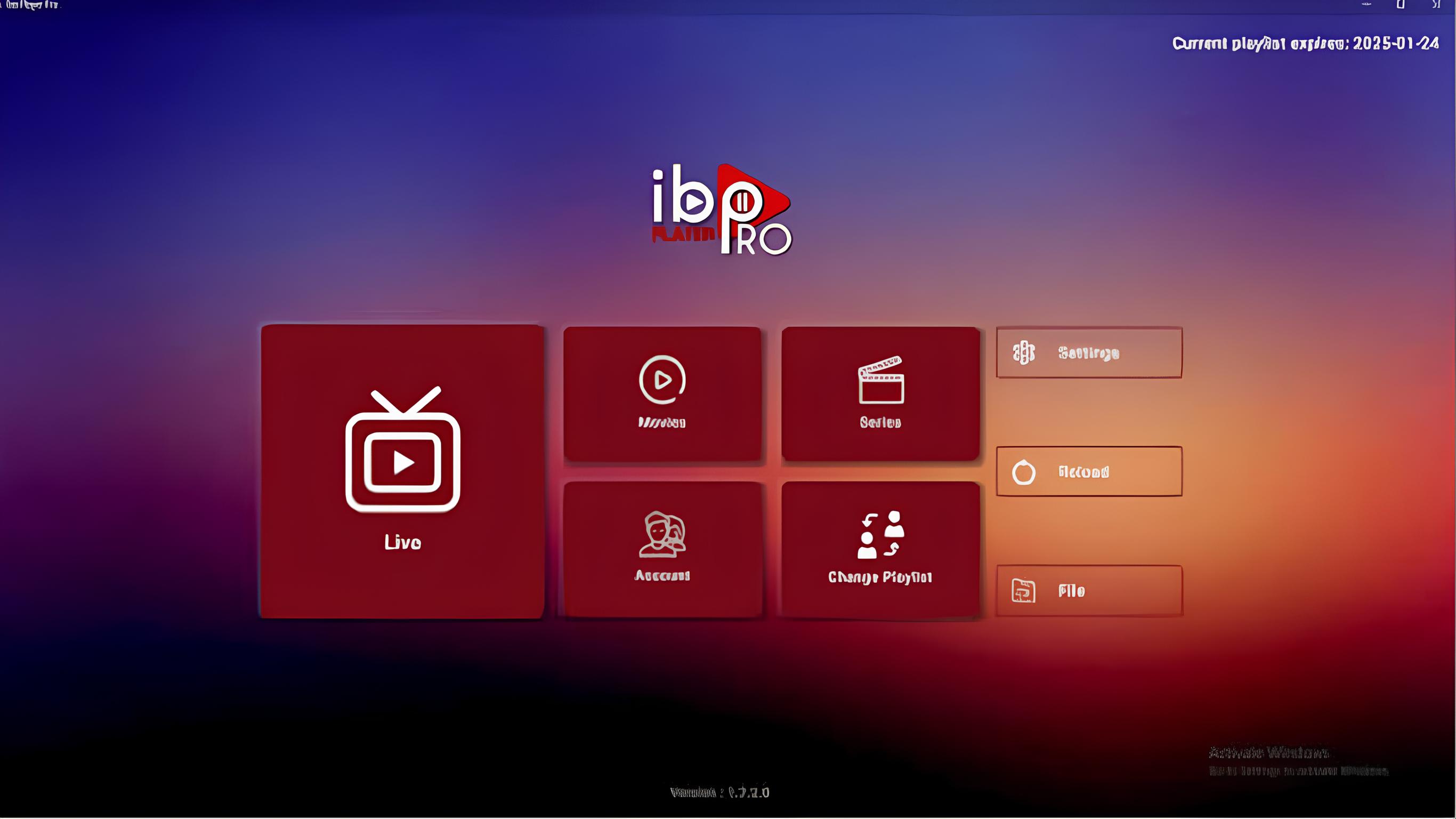
IBO Player is a popular media player that can be used to access IPTV content on compatible smart TVs and streaming devices. If you already have a valid IPTV subscription, setting it up is generally straightforward.
In this guide, we'll explain how to set up IPTV on IBO Player step by step using your subscription details from IPTVUK.my.
Whether you're setting up IBO Player for the first time or replacing an existing playlist, this guide will walk you through the process from installation to playback.
What Is IBO Player?
IBO Player is a media player application designed for compatible smart TVs and other supported devices.
The player itself does not normally provide television channels or video content. Instead, you configure it with your own legitimate playlist or subscription credentials.
This means the basic setup process involves three main stages:
- Installing IBO Player.
- Finding the device information displayed by the application.
- Entering your IPTV subscription details.
Once the information is configured correctly, you can use the player to access the content associated with your subscription.
What You Need Before Setting Up IPTV on IBO Player
Before starting the setup, make sure you have everything required.
You will generally need:
- A compatible device
- IBO Player installed on the device
- A stable internet connection
- An active IPTV subscription from IPTVUK.my
- Your IPTV login or playlist information
- A smartphone or computer if you need to enter the setup information through a web interface
Having your subscription details ready can make the setup process much faster.
How to Set Up IPTV on IBO Player
The exact menu names can vary depending on the device and version of IBO Player, but the general configuration process is similar.
Step 1: Install IBO Player
First, install IBO Player on your compatible smart TV or streaming device.
Open your device's official application store and search for:
IBO Player
Select the appropriate application and follow the on-screen installation instructions.
Once installation is complete, launch the application.
Step 2: Open IBO Player
After opening IBO Player for the first time, you should see the application's main screen.
Depending on the version you're using, the screen may display information such as:
- Device ID
- MAC address
- Application information
- Playlist or connection settings
You will need the relevant device information to connect your
Premium IPTV UK subscription.
Step 3: Find Your Device ID or MAC Address
Look carefully at the information displayed inside IBO Player.
Depending on the application version, you may see a MAC address, Device ID, or another identifier.
Write down the information exactly as displayed.
Why Is the MAC Address Important?
The MAC address can be used to associate a playlist with your particular device.
Make sure you enter it correctly. A single incorrect character can prevent the playlist from loading.
Step 4: Get Your IPTV Details From IPTVUK.my
If you have an active subscription from IPTVUK.my, use the subscription details supplied with your account.
Depending on the subscription setup, you may receive information such as:
- Username
- Password
- Server URL
- Playlist URL
- M3U URL
- Other connection information
Use the details provided for your subscription rather than manually changing or guessing any server information.
Step 5: Add Your IPTV Playlist to IBO Player
Open the appropriate playlist configuration area for IBO Player.
If the application uses a web-based playlist management page, enter the requested device information and playlist details.
Typically, you may need to provide:
MAC Address / Device ID:
Enter the identifier shown by IBO Player.
Playlist URL:
Enter the playlist URL supplied with your valid IPTVUK.my subscription.
If your subscription uses another supported authentication method, follow the setup information supplied with your account.
Step 6: Save the Playlist
After entering the required information, save or submit the configuration.
Double-check everything before submitting:
- Device ID
- MAC address
- Username, if required
- Password, if required
- Playlist URL
- Any additional required fields
Incorrect information is one of the most common reasons a playlist fails to load.
Step 7: Restart IBO Player
After saving your playlist, return to your television or streaming device.
Close IBO Player completely and reopen it.
In some cases, you may need to restart the device itself before the newly configured playlist appears.
Once the playlist has loaded, you should be able to browse the categories and content available through your active IPTVUKmy subscription.
Step 8: Test Live TV and Other Content
After the playlist appears, test several types of content.
For example, check:
- Live TV
- TV categories
- Electronic program guide, if included
- Video-on-demand content, if included
- Catch-up content, if included with your subscription
Testing multiple sections can help determine whether the setup is working correctly.
How to Refresh IPTV Channels on IBO Player
If you have updated your subscription but the changes are not appearing, try refreshing the playlist.
A basic troubleshooting process is:
- Close IBO Player.
- Check that your internet connection is working.
- Confirm that your subscription is active.
- Reopen IBO Player.
- Refresh or reload the playlist if the application provides that option.
If the updated content still does not appear, verify that the playlist information supplied by IPTVUK.my is correct.
How to Fix IPTV Not Working on IBO Player
Sometimes IBO Player may open normally while the playlist fails to load.
There are several things you can check.
Check Your Internet Connection
Start with your internet connection.
Open another application on the same device and verify that it can connect to the internet.
If other applications also have connection problems, troubleshoot your network before changing the IPTV configuration.
Check Your IPTV Subscription Details
Make sure the information entered into IBO Player exactly matches the details provided by IPTVUK.my.
Check carefully for:
- Extra spaces
- Missing characters
- Incorrect username
- Incorrect password
- Incorrect playlist URL
- Typographical errors
Copying and pasting the information can reduce typing mistakes.
Restart Your Router
A temporary network issue can sometimes affect streaming applications.
Restart your router using its normal restart procedure and allow the internet connection to return fully.
Then reopen IBO Player and test the playlist again.
Restart Your Smart TV or Streaming Device
If the application is freezing, not loading correctly, or behaving unusually, restart the device.
A fresh restart can clear temporary system issues and reload the application.
Update IBO Player
Check whether a newer version of IBO Player is available for your device.
Keeping applications updated can improve compatibility and stability.
Only install updates through trusted, official sources.
How to Reduce Buffering on IBO Player
If your
IPTV UK playlist loads but video playback repeatedly buffers, the problem may not be the player configuration.
Common causes include:
- Weak Wi-Fi
- Unstable internet
- Network congestion
- Too many devices using the connection
- Background downloads
- Outdated router equipment
- Device performance issues
Use an Ethernet Connection
If your device supports Ethernet, a wired connection can provide a more consistent connection than Wi-Fi.
This is particularly useful if your television is located far from the router.
Improve Wi-Fi Signal Strength
If Ethernet is not practical, try improving your wireless signal.
You can:
- Move the router closer to the TV.
- Remove unnecessary obstacles
- Place the router in an open location.
- Reduce heavy network activity.
- Consider a suitable mesh Wi-Fi system for larger homes.
Can You Use IBO Player on Multiple Devices?
Device support and playlist limits depend on your subscription and the particular device.
If you want to use your
IPTVUK.my subscription on multiple devices, check the terms and device allowance associated with your plan before configuring additional devices.
You may need to configure each compatible device separately.
IBO Player IPTV Setup Tips
For the smoothest setup experience, keep these tips in mind.
Use the Correct Device Information
Copy the MAC address or device identifier exactly as shown in IBO Player.
Enter the Playlist URL Carefully
A small mistake in the URL can prevent the playlist from loading.
Keep Your App Updated
Use the latest supported version available for your device.
Maintain a Stable Internet Connection
A stable connection is important for live streaming.
Restart After Configuration
If your playlist does not immediately appear, completely close and reopen IBO Player.
Keep Your Subscription Information Secure
Do not publicly share your IPTV username, password, playlist URL, or device information.
IBO Player Setup on Smart TV
The general setup process on a compatible Smart TV is straightforward.
First, install IBO Player from the appropriate application store. Launch the application and locate the device identifier shown on the screen.
Next, use the playlist configuration method supported by IBO Player and enter the relevant information supplied with your IPTVUK.my subscription.
Save the playlist, restart the application, and wait for the content to load.
Once the playlist appears, select a channel and test playback.
IBO Player Setup on Streaming Devices
The setup process may also be available on supported streaming devices.
The general process remains similar:
- Install IBO Player.
- Open the application.
- Find the device ID or MAC address.
- Add your IPTV For Streaming playlist using your IPTVUK.my subscription information.
- Save the configuration.
- Restart the application.
- Test playback.
Because menus can change between devices and application versions, always follow the instructions displayed by your particular version of IBO Player.
Frequently Asked Questions About IBO Player IPTV Setup
How do I set up IPTV on IBO Player?
Install IBO Player on a supported device, open the application, locate your device ID or MAC address, and configure the player using the valid subscription or playlist details supplied by IPTVUK.my.
Do I need an IPTV subscription for IBO Player?
Yes. IBO Player functions as a media player and requires compatible content or playlist information. For this guide, the subscription referenced is from IPTVUK.my.
Where can I find my IBO Player MAC address?
Open IBO Player and look at the application's information or setup screen. The MAC address or device identifier is normally displayed there if required by your version.
Why is my IPTV playlist not loading on IBO Player?
Check your internet connection and verify that your playlist URL and other subscription details have been entered correctly. Also confirm that your subscription is active.
Why is IPTV buffering on IBO Player?
Buffering can be caused by unstable internet, weak Wi-Fi, network congestion, background downloads, or device performance issues. Testing Ethernet can help determine whether Wi-Fi is responsible.
How do I refresh my IPTV playlist on IBO Player?
Close and reopen IBO Player and use its playlist refresh or reload option if available. If the playlist remains unchanged, verify your subscription details.
Can I use IBO Player on my Smart TV?
IBO Player availability depends on the device and operating system. Check your device's official application store for compatibility.
Is IBO Player an IPTV provider?
No. IBO Player is a media player. It requires a compatible playlist or subscription information to display content.
Conclusion
Setting up IPTV on IBO Player is generally a simple process once you have the correct subscription information.
The essential steps are to install IBO Player, locate your device information, enter the playlist details supplied by IPTVUK.my, save the configuration, restart the application, and test playback.
If something goes wrong, start with the basics: verify your subscription details, check your internet connection, restart your equipment, and make sure the application is up to date.
For the latest subscription and setup information, use the details provided by IPTVUK.my.
Iptv Uk Provider 2026
IPTV freezing and lagging can make watching live television or on-demand content frustrating. A stream may pause every few seconds, suddenly drop in quality, take a long time to load, or stop completely.
The good news is that fixing IPTV freezing and lagging is often a matter of identifying the source of the problem. Issues can come from your internet connection, Wi-Fi network, streaming device, IPTV application, home network congestion, or the service delivering the stream.
This guide explains the most common causes of IPTV buffering and provides practical steps you can follow to improve streaming performance.
What Causes IPTV Freezing and Lagging?
IPTV freezing usually happens when your device cannot receive and process the stream quickly enough.
Common causes include:
- Unstable internet connection
- Weak Wi-Fi signal
- Insufficient available bandwidth
- Network congestion
- Outdated streaming applications
- Device performance problems
- Overloaded home networks
- Router problems
- Incorrect application settings
- Service-side technical problems
Identifying the cause is more useful than immediately changing multiple settings. Start with your internet connection and work through the troubleshooting steps below.
Check Your Internet Connection
The first thing to check when
IPTV UK Provider keeps freezing is your internet connection.
Run a speed test on the same device you use for streaming. The result can help determine whether your connection has enough available bandwidth.
Remember that your advertised broadband speed isn't necessarily the speed available to the streaming device at all times.
Other devices may be using bandwidth for:
- Video calls
- Gaming
- Downloads
- Cloud backups
- Software updates
- Video streaming
If possible, temporarily pause intensive internet activity and check whether the IPTV stream improves.
Restart Your Router
A simple router restart can resolve temporary connectivity problems.
To restart your router:
- Turn off the router.
- Disconnect its power supply.
- Wait approximately 30 seconds.
- Reconnect the power.
- Allow the router to fully restart.
- Reconnect your streaming device.
Once the internet connection is restored, test the stream again.
A restart won't fix every problem, but it is a quick first troubleshooting step.
Improve Your Wi-Fi Signal
Weak Wi-Fi is one of the most common reasons for inconsistent streaming.
If your Firestick, Smart TV, phone, or streaming box is far away from the router, the wireless signal may be weaker than expected.
Try:
- Moving the router to a more open location.
- Moving the streaming device closer to the router where practical.
- Reducing physical obstacles between the router and device.
- Disconnecting unnecessary devices from Wi-Fi.
- Checking whether your router supports both 2.4 GHz and 5 GHz networks.
A stronger Wi-Fi connection can improve consistency, although it cannot solve problems originating from the streaming service itself.
Try an Ethernet Connection
If your streaming device supports Ethernet, a wired connection can be useful for troubleshooting Wi-Fi-related problems.
Ethernet can provide a more consistent connection because it isn't affected by wireless interference in the same way as Wi-Fi.
Consider Ethernet if:
- Your router is close to your television.
- Wi-Fi performance is inconsistent.
- Several devices share the wireless network.
- You regularly experience buffering during busy periods.
If the stream becomes stable over Ethernet, your Wi-Fi connection may be the main issue.
Close Background Applications
Streaming devices have limited system resources. Running unnecessary applications in the background can sometimes affect performance.
Close applications that you're not currently using.
On compatible devices, you can also restart the device to clear temporary processes.
This is particularly useful if:
- Menus are slow.
- Several apps are freezing.
- The device takes a long time to respond.
- Streaming problems occur across multiple applications.
Restart Your Streaming Device
If restarting the router doesn't help, restart your streaming device.
This may include:
- Firestick
- Android TV device
- Smart TV
- Smartphone
- Tablet
- Computer
A restart can clear temporary software problems and reconnect the device to the network.
After restarting, open the IPTV application again and test playback.
Check Your Device Storage
Low storage can sometimes contribute to poor device performance.
If your device is almost full, review installed applications and remove software you no longer need.
You can also clear temporary application data where the operating system provides that option.
Avoid deleting important system files or data unless you understand what they do.
Update Your IPTV Application
An outdated application can sometimes create compatibility or playback problems.
Check whether an updated version is available through the application's official distribution channel.
Updates may include:
- Bug fixes
- Compatibility improvements
- Security updates
- Performance improvements
- Changes required by newer operating systems
Only install applications and updates from trustworthy sources.
Update Your Firestick or Smart TV
The streaming application isn't the only software that may require updating.
Check your device for available system updates.
For example, a Firestick or Smart TV may receive firmware updates that improve compatibility and stability.
After installing an update, restart the device and test the stream again.
Reduce Streaming Quality Temporarily
If your connection struggles with high-resolution video, reducing the playback quality may help.
For example, you could test a lower resolution instead of using the highest available quality.
This can be useful for diagnosing whether bandwidth is the problem.
If lower-quality streams play smoothly while higher-quality streams continually buffer, your network connection or available bandwidth may be insufficient for the higher bitrate.
Check Whether Other Services Are Working
An important troubleshooting step is to compare the IPTV stream with other legitimate streaming services.
If multiple streaming applications are buffering, the problem may be related to:
- Your internet connection
- Wi-Fi
- Router
- Device
- Local network
If other services work normally while only one particular stream experiences problems, the issue may be specific to that application or service.
This comparison can help narrow down the cause.
Test at Different Times
Sometimes IPTV freezing happens more frequently at certain times.
For example, you may notice problems during periods when many people in your household are using the internet.
Test the same stream at different times and compare the results.
If performance changes significantly depending on network usage, congestion may be contributing to the problem.
Service-side demand can also vary, so timing alone does not identify the exact cause.
Check Your Home Network
Modern homes may have numerous connected devices.
A single network could include:
- Smart TVs
- Phones
- Tablets
- Computers
- Game consoles
- Security cameras
- Smart speakers
- Streaming devices
If several devices are simultaneously downloading or streaming high-bandwidth content, available bandwidth can decrease.
Pause unnecessary downloads and test the IPTV stream again.
Clear Application Cache
Some streaming applications allow users to clear cached data.
Cache files can accumulate over time. If an application is behaving unusually, clearing its cache may help.
However, the exact process differs between devices and applications.
Before clearing application data, distinguish between cache and stored data. Clearing stored data may remove login information or preferences.
If you're unsure, check the application's official support documentation.
Check Your Router Placement
Router placement can make a noticeable difference to Wi-Fi performance.
Avoid placing the router:
- Inside a cabinet
- Behind large electronic equipment
- On the floor
- Immediately beside sources of interference
- In an enclosed area
A more open and central location can improve wireless coverage.
Avoid Unnecessary VPN Troubleshooting Changes
A VPN can affect streaming performance because traffic may travel through additional network infrastructure.
If you're already using a VPN and experience buffering, compare performance according to the VPN provider's legitimate troubleshooting guidance.
However, don't assume a VPN will automatically
fix IPTV buffering. It may improve or worsen performance depending on the network conditions involved.
For ordinary troubleshooting, first establish whether the connection works correctly without additional network layers, where legally and technically appropriate.
Check Your Internet Latency and Stability
Download speed is only one part of streaming performance.
A connection can have a reasonable download speed while still experiencing:
- High latency
- Packet loss
- Frequent connection drops
- Wireless interference
These problems can cause interruptions during streaming.
If possible, test your network using different devices and connection methods to determine whether the problem is local to one device.
Check Whether the Problem Affects One Stream or Everything
This is an important diagnostic step.
If every stream freezes
The issue may involve:
- Your internet
- Wi-Fi
- Router
- Device
- Application
If only one stream freezes
The issue may be associated with that particular stream or its source.
If problems occur across multiple devices
Your home network or internet connection becomes more likely to be involved.
If only one device has problems
Focus on that device, its software, Wi-Fi connection, and hardware.
Best Internet Setup for IPTV Streaming
There is no single internet speed that guarantees perfect IPTV performance because requirements depend on video quality, bitrate, network congestion, and the service's infrastructure.
As a general guide:
| SD | Around 5 Mbps or more |
| HD | Around 10 Mbps or more |
| Full HD | Around 15–20 Mbps or more |
| 4K | Around 25 Mbps or more |
These are general guidelines rather than guarantees. A stable connection is often just as important as raw download speed.
Why IPTV Can Freeze Even With Fast Internet
Having a fast broadband package doesn't automatically eliminate buffering.
For example, you could have a high-speed connection but still experience problems because of:
- Weak Wi-Fi
- Router issues
- Network congestion
- Device limitations
- Application problems
- High latency
- Packet loss
- Problems with the stream source
That's why troubleshooting should examine the entire connection rather than focusing only on download speed.
When Should You Contact Your Internet Provider?
Contact your internet provider if you experience broader connectivity problems, such as:
- Frequent internet disconnections
- Very inconsistent speeds
- Problems across several devices
- Persistent packet loss
- Poor Wi-Fi coverage
- Router faults
Before contacting them, record when the problem occurs and whether it affects other websites and applications. This information can make troubleshooting easier.
When Is the IPTV Service the Likely Problem?
If your internet works normally and other streaming services operate without problems, but a particular
IPTV UK stream repeatedly freezes, the issue may be outside your home network.
In that situation:
- Test another authorised stream if available.
- Restart the application.
- Check for application updates.
- Confirm your account or service status.
- Contact the relevant service's official support team.
Avoid repeatedly changing network settings when the evidence points toward a service-side problem.
Quick Checklist for Fixing IPTV Freezing
Use this checklist when troubleshooting:
- Test your internet connection.
- Restart your router.
- Restart your streaming device.
- Check Wi-Fi signal strength.
- Try Ethernet if available.
- Close unnecessary applications.
- Free up device storage.
- Update the IPTV application.
- Update your streaming device.
- Test lower video quality.
- Reduce network activity on other devices.
- Compare different streams.
- Test at another time.
- Contact your internet provider if your connection is unstable.
- Contact the authorised service if the problem appears service-specific.
Frequently Asked Questions
Why does my IPTV keep freezing?
IPTV may freeze because of unstable internet, weak Wi-Fi, network congestion, device limitations, application problems, or issues with the stream source. Testing each part of the connection can help identify the cause.
How can I stop IPTV from buffering?
Start by restarting your router and streaming device. Then check your internet connection, improve Wi-Fi performance, reduce network activity, update your application, and test whether lower video quality improves playback.
Does internet speed affect IPTV?
Yes. Streaming requires sufficient bandwidth, particularly for HD and 4K video. However, speed isn't the only factor. Stability, latency, packet loss, Wi-Fi quality, and network congestion can also affect playback.
Is Ethernet better than Wi-Fi for IPTV?
Ethernet can provide a more consistent connection than Wi-Fi when the wired network is properly configured. It can be particularly useful when wireless interference or a weak Wi-Fi signal is causing buffering.
Why does IPTV work on one device but not another?
The devices may have different Wi-Fi connections, hardware capabilities, software versions, storage availability, or application configurations. Compare the devices to identify what differs.
Can restarting the router fix IPTV freezing?
Restarting the router can resolve temporary connectivity problems, although it won't fix every cause of buffering. If the problem continues, investigate Wi-Fi, bandwidth, device performance, and the specific streaming service.
Why does IPTV freeze during busy hours?
Busy periods can increase network congestion, either within your household, your local network, or elsewhere in the delivery chain. Testing at different times can help determine whether timing is related to the issue.
Does 4K IPTV require faster internet?
Generally, higher-resolution video requires more bandwidth than standard-definition or HD video. A stable connection with sufficient available bandwidth is important for 4K streaming.
Conclusion
Understanding how to fix IPTV freezing and lagging starts with identifying where the problem occurs. Don't assume that buffering is always caused by your IPTV application. Internet stability, Wi-Fi quality, router performance, device limitations, software, and the stream source can all contribute.
Start with the simplest solutions: test your connection, restart your router and device, improve Wi-Fi, reduce network congestion, and make sure your software is updated. If possible, compare different streams and devices to determine whether the issue is local or service-specific.
With a systematic troubleshooting approach, you can identify the most likely cause of IPTV freezing and take the appropriate next step without unnecessarily changing settings that aren't related to the problem.
Iptv Uk Provider 2026
IPTV buffering can turn a smooth viewing experience into a frustrating cycle of freezing, loading, and interrupted playback. The good news is that buffering often has a fix. In many cases, the problem is related to internet stability, Wi-Fi quality, device performance, network congestion, or app data.
This guide explains how to fix IPTV buffering issues in 2026 using practical troubleshooting steps. Start with the simplest solutions and move toward the more advanced checks if the problem continues.
Why Does IPTV Keep Buffering?
IPTV UK Provider buffering happens when your streaming device cannot receive video data quickly or consistently enough for uninterrupted playback.
A fast internet plan alone does not always guarantee smooth streaming. Connection stability, Wi-Fi interference, network congestion, device resources, and video quality can all affect performance.
Common causes include:
- Unstable internet connectivity
- Weak Wi-Fi signals
- Network congestion
- Multiple devices using the connection
- Background downloads or updates
- Outdated streaming devices
- Low available device storage
- Excessive cached app data
- Incorrect streaming settings
- Temporary router or device problems
- High network usage during busy hours
The best approach is to identify where the bottleneck is occurring instead of changing multiple settings at random.
1. Check Your Internet Connection
The first step is to test whether your internet connection is stable.
Run a speed test from a device connected to the same network used for streaming. Check more than just the download speed. A connection can show a high speed result while still experiencing interruptions or instability.
For a more useful test:
- Run several tests at different times.
- Test near your router and in the room where you watch.
- Compare Wi-Fi results with a wired connection if possible.
- Check whether the connection drops or fluctuates.
Video quality also affects bandwidth requirements. Higher-resolution streams generally require more consistent bandwidth than lower-resolution streams.
Look Beyond Download Speed
A connection with inconsistent performance may cause buffering even when the advertised speed is high.
Pay attention to:
- Connection stability
- Latency
- Packet loss indicators, where available
- Sudden speed drops
- Performance during peak evening hours
If other websites, video services, or connected devices also perform poorly, the issue may be with the local network or internet connection rather than the streaming application.
2. Use Ethernet Instead of Wi-Fi
A wired Ethernet connection is often one of the most effective ways to reduce streaming interruptions.
Wi-Fi signals can be affected by:
- Distance from the router
- Walls and floors
- Other wireless networks
- Household electronics
- Network congestion
An Ethernet cable provides a direct connection between your device and network equipment.
If your streaming device supports Ethernet, test it for a period of time. If buffering improves significantly, your Wi-Fi connection is likely contributing to the problem.
When Ethernet Is Not Practical
If a wired connection is not possible, focus on improving your wireless network.
The next steps can help create a more stable Wi-Fi environment.
3. Improve Your Wi-Fi Signal
Weak Wi-Fi is a common reason for inconsistent streaming.
Start by checking the distance between your streaming device and router. If the signal must pass through several walls or floors, performance may decrease.
Try these improvements:
- Move the router to a more central location.
- Keep the router away from large metal objects.
- Reduce physical obstructions where possible.
- Place the router in an open area.
- Update router firmware when an official update is available.
- Consider modern mesh networking for larger homes.
Use the Appropriate Wi-Fi Band
Many modern routers offer multiple wireless bands.
The best choice depends on your home layout and device location. Higher-frequency bands may offer strong performance at shorter distances, while lower-frequency bands may provide better coverage through obstacles.
Test each available option rather than assuming one setting is always best.
4. Restart Your Router and Streaming Device
A simple restart can resolve temporary issues.
Over time, network equipment and streaming devices can accumulate temporary processes or connection problems.
Follow this basic sequence:
- Turn off the streaming device.
- Restart the router using its normal restart procedure.
- Allow the network connection to return fully.
- Turn the streaming device back on.
- Test playback again.
Avoid repeatedly restarting equipment without waiting for it to reconnect properly.
If the issue disappears temporarily but returns frequently, investigate the underlying network or device condition. Here Complete
IPTV Setup Guide For Firestick.
5. Close Background Apps and Downloads
Your internet connection is shared by all active devices and applications in your home.
Buffering can become more likely when other devices are:
- Downloading large files
- Uploading backups
- Installing system updates
- Playing online games
- Streaming high-resolution video
- Synchronizing cloud storage
Before troubleshooting further, pause unnecessary downloads and close unused applications.
Then test streaming again.
Check Smart Devices Too
Modern homes may have dozens of connected devices. Cameras, computers, tablets, game consoles, phones, and smart appliances can all generate network traffic.
You do not need to disconnect everything permanently. The goal is to determine whether heavy simultaneous usage is affecting your streaming performance.
6. Update Your Streaming Device
An outdated device can create performance problems even when the internet connection is working correctly.
Check for:
- Operating system updates
- Official app updates
- Security updates
- Firmware updates, where applicable
Updates may improve stability, compatibility, and general performance.
However, avoid installing unofficial software from untrusted sources. Use official update mechanisms whenever possible.
Consider Device Age
Older hardware may struggle with newer video formats, higher resolutions, or demanding applications.
Signs of a device performance problem include:
- Slow menus
- Delayed remote responses
- Apps closing unexpectedly
- Frequent freezing outside of video playback
- Low available storage
If the entire device feels slow, improving the internet connection alone may not solve the issue.
7. Clear App Cache and Temporary Data
Apps can store temporary files to improve loading and performance. Over time, excessive or corrupted cached data may contribute to problems.
If your device allows it, try clearing the cache for the affected application.
The general process is often similar to:
- Open device settings.
- Go to Apps or Applications.
- Select the relevant streaming app.
- Open Storage settings.
- Clear the cache.
The exact steps vary by device and operating system.
Be careful when selecting options that clear all application data, as this may remove settings or require you to sign in again.
8. Adjust Streaming and Video Settings
Higher video quality requires more data and processing power.
If buffering occurs consistently, test a lower quality setting when one is legitimately available.
This can help determine whether the problem is related to:
- Available bandwidth
- Wi-Fi stability
- Device processing capability
- Network congestion
Do not make permanent changes until you test the results. Troubleshooting works best when you change one factor at a time.
9. Check Your Streaming Device’s Performance
Your device needs enough available resources to process video smoothly.
Check:
- Available storage
- Number of installed apps
- Background applications
- Operating system updates
- Device temperature
Free Up Storage Space
Low storage can affect overall performance.
Consider removing:
- Apps you no longer use
- Unnecessary downloaded files
- Old media files
- Temporary content that is no longer needed
Restart the device after making significant changes.
Watch for Overheating
Electronic devices can reduce performance when they become excessively hot.
Make sure your device has adequate ventilation and is not enclosed in a tight space.
Keep ventilation openings clear and avoid placing heat-generating electronics directly on top of one another.
10. Test Streaming at Different Times
Does buffering happen mainly during the evening?
Testing at different times can reveal useful patterns.
If performance is consistently better during quiet periods and worse during busy periods, network congestion may be involved.
Keep a simple record for a few days:
| Time | Connection Performance | Buffering |
| Morning | Test result | Yes/No |
| Afternoon | Test result | Yes/No |
| Evening | Test result | Yes/No |
Patterns can help you identify whether the problem is constant or time-dependent.
This information is also useful when troubleshooting your home network.
11. Check Your Home Network for Congestion
A modern network can become congested when many devices compete for bandwidth.
Start by temporarily reducing activity from other devices.
Then test the stream.
If performance improves, consider managing traffic more effectively.
Review Router Settings Carefully
Some routers provide features for traffic prioritization or quality-of-service management.
These settings may help prioritize certain types of traffic, depending on the router and network configuration.
Only change settings you understand, and document the original configuration before making major adjustments.
Incorrect network settings can create additional problems.
12. Advanced IPTV Buffering Solutions for 2026
Network technology continues to evolve, and modern homes often have more connected devices than ever before.
Here are several additional troubleshooting ideas.
Upgrade Older Network Equipment
Older routers may struggle when many devices are connected simultaneously.
If your router is several years old, review whether it still meets your household’s needs.
Important considerations include:
- Number of connected devices
- Home size
- Wireless coverage
- Supported Wi-Fi standards
- Available Ethernet ports
You do not always need the most expensive equipment. The goal is reliable coverage and stable performance for your specific environment.
Use a Mesh Network for Large Homes
In larger homes, one router may not provide consistent coverage everywhere.
A mesh system can extend coverage across multiple areas.
This may help when buffering occurs only in rooms far from the main router.
Before changing your equipment, confirm that weak signal strength is actually the problem.
Check for Automatic Updates
Large automatic downloads can start without much warning.
Check whether:
- Computers are updating
- Game consoles are downloading games.
- Phones are backing up photos.
- Cloud services are synchronizing files.
Scheduling large downloads outside viewing times may reduce competition for bandwidth.
13. Common Mistakes to Avoid
When trying to fix
IPTV UK buffering issues, avoid changing everything at once.
This makes it difficult to identify the real cause.
Avoid These Mistakes
Ignoring Wi-Fi signal quality:
A high-speed internet plan does not guarantee strong wireless coverage in every room.
Installing unnecessary apps:
Too many applications can reduce available storage and system resources.
Using outdated equipment indefinitely:
Older routers and devices may eventually become a performance bottleneck.
Changing advanced router settings without documentation:
Record your existing settings before making major changes.
Assuming every buffering problem has the same cause:
The issue may come from the device, Wi-Fi, local network, internet connection, or application.
Skipping basic troubleshooting:
Restarting equipment, checking background downloads, and testing a wired connection can reveal the problem quickly.
A Quick Checklist to Fix IPTV Buffering
Work through these steps in order:
- Test your internet connection.
- Restart your router and streaming device.
- Pause large downloads and background activity.
- Test a wired Ethernet connection.
- Improve Wi-Fi signal strength.
- Update the streaming device and application.
- Clear temporary app cache where appropriate.
- Check available device storage.
- Test playback at different times.
- Review your home network for congestion.
- Test a lower video quality setting when available.
- Investigate whether older hardware is limiting performance.
Changing one variable at a time gives you the clearest results.
Frequently Asked Questions About IPTV Buffering
Why does IPTV buffer even though my internet is fast?
Internet speed is only one factor. Buffering can also result from unstable Wi-Fi, network congestion, packet loss, device performance limitations, background downloads, or temporary software problems.
What internet speed do I need for smooth IPTV streaming?
The required speed depends on the video quality, compression, number of simultaneous streams, and connection stability. A stable connection is often just as important as a high download speed.
Is Ethernet better than Wi-Fi for IPTV?
In many homes, Ethernet provides a more stable connection because it avoids many sources of wireless interference. Testing a wired connection can help determine whether Wi-Fi is causing the problem.
Can my router cause IPTV buffering?
Yes. Router performance, Wi-Fi coverage, network congestion, outdated firmware, or an overloaded home network can affect streaming stability.
Does restarting the router help with buffering?
Restarting may resolve temporary network or connection issues. If buffering returns frequently, additional troubleshooting is needed to identify the underlying cause.
Can an old streaming device cause buffering?
Yes. Older devices may have limited processing power, storage, or compatibility with newer applications and video formats. Slow menus and general device freezing can indicate a hardware performance issue.
Why does IPTV buffer more at night?
Evening buffering may be related to increased network activity in your home or broader congestion affecting the internet connection. Testing at different times can help identify a pattern.
Does clearing the app cache help?
It can help if temporary or corrupted cached data is contributing to an application’s performance problem. The exact benefit depends on the device and app.
Can too many devices on Wi-Fi cause buffering?
Yes. Multiple devices using the network simultaneously can compete for available bandwidth and wireless capacity, especially during downloads, backups, gaming, or high-resolution streaming.
Should I change advanced router settings to fix buffering?
Only if you understand the settings and have identified a network-related issue, document the original configuration before making changes, and adjust one setting at a time.
Conclusion: How to Stop IPTV Buffering in 2026
To
fix IPTV buffering issues in 2026, start with the basics: check connection stability, restart your network equipment, and reduce unnecessary background traffic. Next, test a wired Ethernet connection and improve Wi-Fi coverage if needed.
If buffering continues, examine your streaming device, available storage, application cache, software updates, and overall home network congestion.
The most effective solution is not always a faster internet plan. In many cases, a stable connection, strong local network, updated device, and systematic troubleshooting process can make a significant difference.
By testing one possible cause at a time, you can identify what is affecting your streaming experience and apply the most appropriate fix.